
Understanding the Difficulties of Removing Old Wall Coverings
Removing wallpaper can be a daunting task for many homeowners. It’s not just about peeling off an old design to make way for new decor; it often involves dealing with stubborn adhesives, fragile plaster walls, and unexpected damage. Understanding these challenges in advance can save you time and frustration. Let’s explore some common problems you might face and how to tackle them effectively.
Unexpected Adhesive Residue
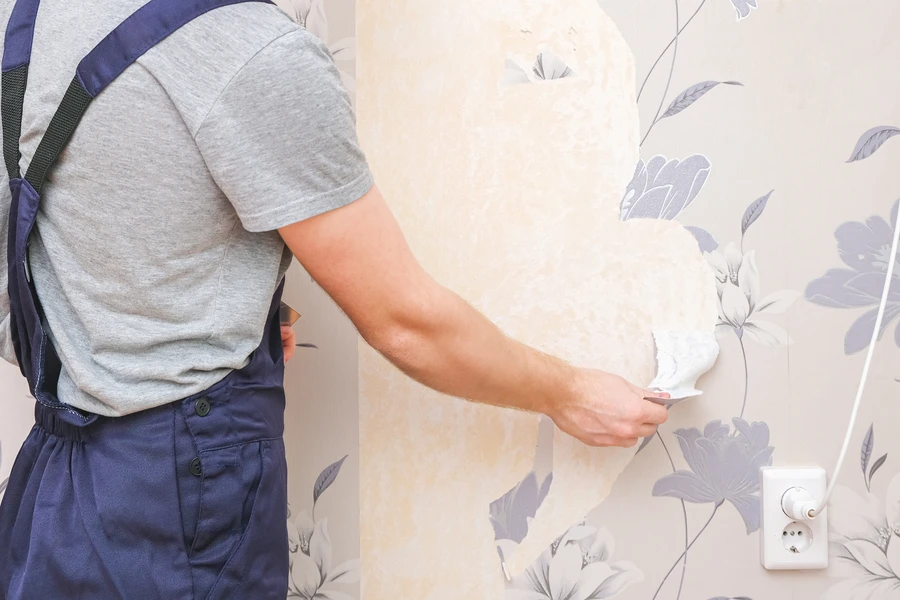
One of the first hurdles in wallpaper removal is the leftover adhesive that clings to your walls. This sticky residue can be tough to clean and may require multiple treatments to remove completely. Using solutions like vinegar or specialized adhesive removers can help break down this glue. However, be mindful of the type of wall surface you’re dealing with to avoid causing damage.
Damage to Plaster Walls
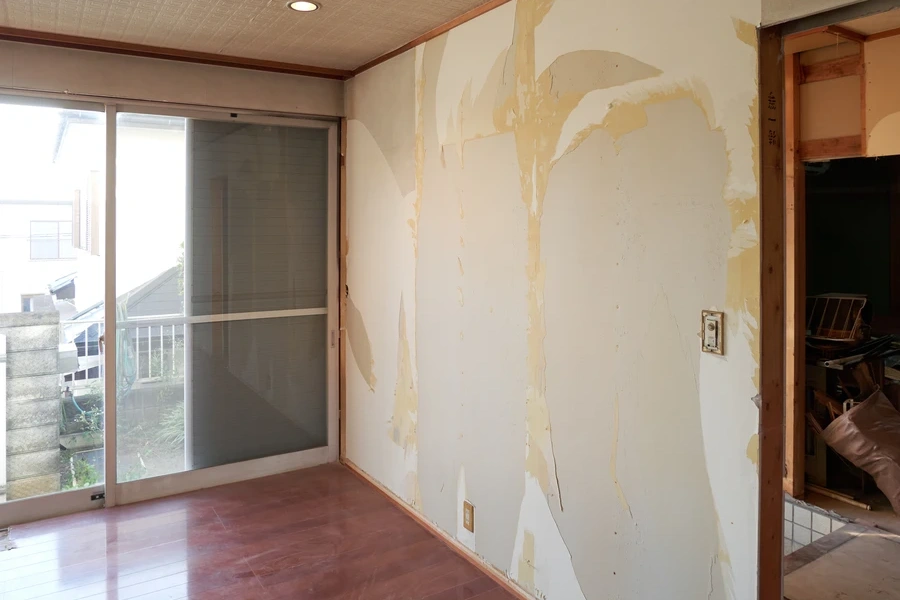
Plaster walls are common in older homes, and they don’t always handle wallpaper removal well. The process can sometimes pull off chunks of plaster if not done carefully. To minimize damage, use tools designed specifically for wallpaper stripping and apply gentle pressure as you work. Repairs might still be necessary, but taking precautions can limit the extent.
Dealing With Multiple Layers
In some cases, you might discover several layers of wallpaper stacked on top of each other. Each layer adds complexity to the removal process, requiring more time and effort. You may need to steam or soak the paper thoroughly before scraping it off. Be prepared for a lengthy process if you’re dealing with multiple generations of wallpaper.
Handling Mold Concerns
Mold can pose a significant risk during wallpaper removal, especially if there has been moisture trapped beneath the covering. If you notice any signs of mold, it’s crucial to address it immediately to prevent health hazards. You might need professional assistance to ensure all mold is removed safely and completely from your home.
- Use safety gear such as masks and gloves when handling mold
- Isolate the affected area to prevent spread
- Consider hiring experts for extensive mold issues
Cost Implications
The financial aspect of wallpaper removal is another concern for many homeowners. While doing it yourself might seem cost-effective, mistakes can lead to expensive repairs. Weighing the costs of materials and potential damages against hiring a professional is key. Sometimes professional services prove more economical in the long run due to their efficiency and expertise.
- Create a budget plan including all necessary supplies
- Compare DIY costs versus professional service charges
- Evaluate your skills realistically before deciding
Time Investment
Wallpaper removal is notoriously time-consuming. Depending on the size of your project, it could take a few hours to several days. Plan accordingly and allocate enough time so you’re not rushing through the job. Rushing increases the chances of errors and unnecessary stress, leading to less satisfactory results.
Effective Solutions for Common Issues
Tackling wallpaper removal doesn’t have to be overwhelming if you’re prepared with the right strategies. Knowing what lies ahead allows you to manage expectations and reduce surprises along the way. Whether dealing with difficult adhesives or trying to salvage delicate walls, having a clear action plan will ease the process. Remember, patience is key, and sometimes seeking professional help ensures quality outcomes.
Your Path to Better Wall Decor
If you’re ready to transform your home’s interior without hassle, contact me at (850) 228-4284. Based in Tallahassee, FL, I offer guidance and support tailored to your needs. At JCM Painting Services LLC, your satisfaction is my priority.